

Is It Eye Allergies or Dry Eye? How to Tell the Difference

Is It Eye Allergies or Dry Eye? How to Tell the Difference

Is It Eye Allergies or Dry Eye? How to Tell the Difference

Is It Eye Allergies or Dry Eye? How to Tell the Difference

Is It Eye Allergies or Dry Eye? How to Tell the Difference

Is It Eye Allergies or Dry Eye? How to Tell the Difference

Is It Eye Allergies or Dry Eye? How to Tell the Difference

Is It Eye Allergies or Dry Eye? How to Tell the Difference

Is It Eye Allergies or Dry Eye? How to Tell the Difference

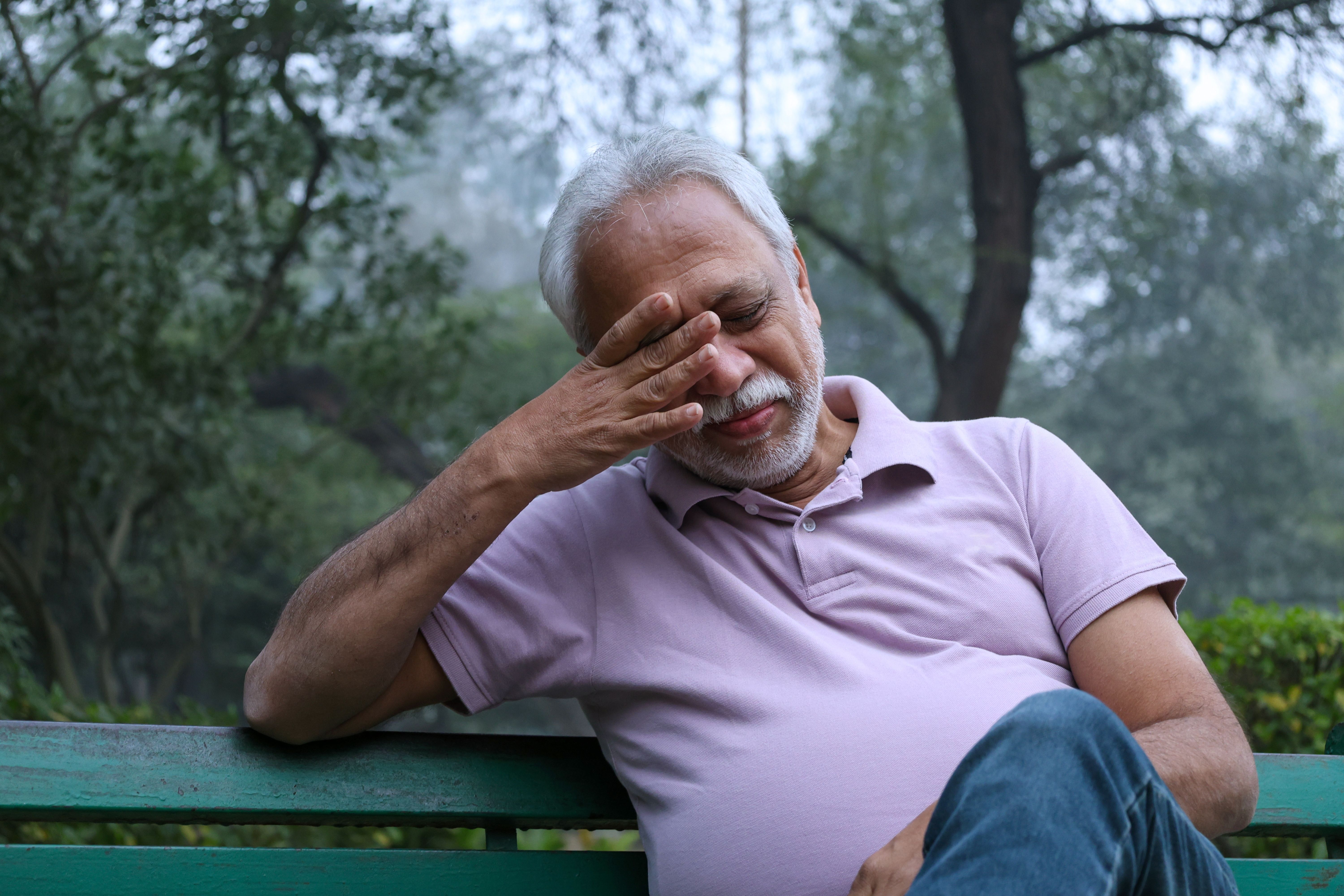
If your eyes are red, irritated, or constantly watering, you may be wondering what’s causing the discomfort. Two of the most common culprits are eye allergies and dry eye syndrome. While they can share similar symptoms, the underlying causes and treatments are very different. Understanding how to tell the difference can help you find lasting relief.
What Are Eye Allergies?
Eye allergies, also known as allergic conjunctivitis, occur when your eyes react to allergens such as pollen, dust mites, mold, or pet dander. When exposed to these triggers, your immune system releases histamines, leading to inflammation and irritation.
The hallmark symptom of eye allergies is itching. Other signs include:
- Redness
- Watery eyes
- Swollen eyelids
- Burning or stinging
- Stringy discharge
Symptoms often affect both eyes and may be accompanied by sneezing, nasal congestion, or other seasonal allergy symptoms. Allergy symptoms can be seasonal (such as during spring or fall pollen peaks) or year-round if caused by indoor allergens.
What Is Dry Eye?
Dry eye syndrome occurs when your eyes either don’t produce enough tears or produce poor-quality tears that evaporate too quickly. Tears are essential for lubricating, protecting, and nourishing the surface of the eye. When the tear film is unstable, irritation and inflammation develop.
Dry eye symptoms may include:
- Burning or stinging
- Gritty or sandy sensation
- Fluctuating or blurry vision
- Light sensitivity
- Redness
- Watery eyes
Unlike allergies, dry eye typically does not cause intense itching. Symptoms often worsen after prolonged screen use, reading, driving, or being in dry or windy environments.
Key Differences Between Eye Allergies and Dry Eye
Although both conditions can cause redness and watery eyes, there are a few distinguishing factors:
- Itching is the biggest clue. If your eyes are very itchy, allergies are the likely cause.
- Environmental triggers matter. If symptoms worsen during pollen season or around pets, allergies are more likely. If symptoms worsen with screen time or in air-conditioned rooms, dry eye may be the issue.
- Vision changes are more common with dry eye. Blurry or fluctuating vision tends to point toward dry eye rather than allergies.
- Associated symptoms help differentiate. Sneezing and nasal congestion suggest allergies, while eye fatigue and discomfort after visual tasks suggest dry eye.
In some cases, patients may experience both conditions simultaneously, making a professional evaluation even more important.
Why an Accurate Diagnosis Matters
Treatments for allergies and dry eye are different. Using allergy drops for dry eye may not provide relief, and certain over-the-counter redness relievers can actually worsen dryness over time. Our eye doctors perform a comprehensive evaluation to assess your tear film, ocular surface health, and overall eye condition. We identify the root cause of your symptoms and create a personalized treatment plan, which may include:
- Prescription or over-the-counter allergy eye drops
- Artificial tears or lubricating drops
- Anti-inflammatory treatments
- Lifestyle modifications
- In-office dry eye therapies
Getting the right diagnosis can dramatically improve comfort and protect your long-term eye health.
Let’s Get to the Root of Your Eye Discomfort
Eye allergies and dry eye can feel similar, but they have distinct causes and treatment approaches. Itching often signals allergies, while burning, grittiness, and fluctuating vision typically point to dry eye. Because symptoms can overlap, a comprehensive eye exam is the best way to determine what’s really going on.
If you’re experiencing symptoms of eye allergies or dry eye, contact Raleigh Eye Center to schedule a consultation and get the personalized care your eyes deserve. Contact our office in Raleigh, Durham, Reidsville, Henderson, North Carolina, or South Hill, Virginia. Call (919) 899-2472, (919) 876-2427 or (252) 492-8021 to book an appointment today.


© 2026 Raleigh Eye Center. All rights Reserved. Accessibility Statement - Privacy Policy - Terms and Conditions - Sitemap
Powered by:
