

Orbital Surgery: Managing Tumors, Trauma, and Eye Socket Injuries

Orbital Surgery: Managing Tumors, Trauma, and Eye Socket Injuries

Orbital Surgery: Managing Tumors, Trauma, and Eye Socket Injuries

Orbital Surgery: Managing Tumors, Trauma, and Eye Socket Injuries

Orbital Surgery: Managing Tumors, Trauma, and Eye Socket Injuries

Orbital Surgery: Managing Tumors, Trauma, and Eye Socket Injuries

Orbital Surgery: Managing Tumors, Trauma, and Eye Socket Injuries

Orbital Surgery: Managing Tumors, Trauma, and Eye Socket Injuries

Orbital Surgery: Managing Tumors, Trauma, and Eye Socket Injuries

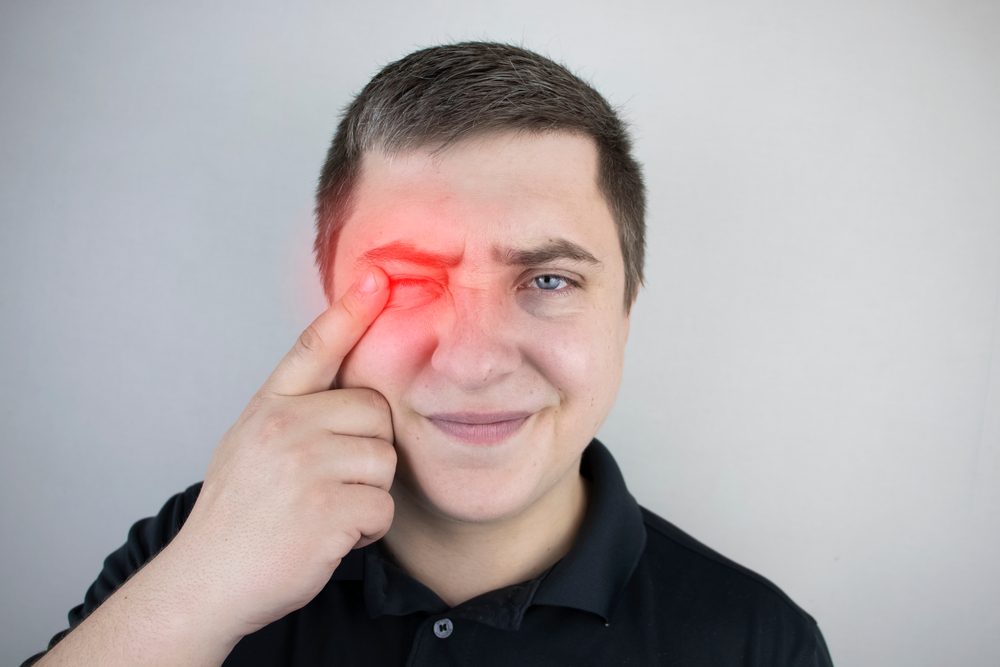
The area around the eye does more than just protect your vision. It provides eye support, allows it to move, and protects the delicate parts behind the eye. Problems in this area can affect how your eye feels, looks, and works.
Orbital surgery treats problems with the eye socket. These problems can develop slowly or happen suddenly after an injury. In every case, careful examination and the right treatment are important.
Understanding the Eye Socket
The orbit is a bony space that holds the eye. It also has muscles, nerves, blood vessels, and tissue that help the eye work and move.
Because many parts are packed into a small space, even small changes can have big effects. Swelling, increased pressure, or injury to the orbit can cause pain, vision problems, or the eye to move out of place.
When Tumors Affect the Orbit
Orbital tumors can be harmless or cancerous. Some grow slowly and cause symptoms over time, while others get worse quickly.
Common signs include eye bulging, changes in vision, discomfort, and trouble moving the eye. Sometimes, orbital tumors are found by accident during scans for other problems.
Orbital surgery may be performed to remove or biopsy a tumor, reduce pressure, or protect nearby structures of the eye. The way the surgery is performed depends on the tumor’s size, location, and behavior. The main goal is to treat the problem while keeping the eye working as well as possible.
Trauma and Orbital Injuries
Orbital injuries frequently result from accidents, falls, or facial trauma. The bones around the eye protect it, but they can break if hit hard enough during ocular movement. In some cases, enophthalmos or ocular displacement may occur, potentially compromising both vision and facial symmetry.
Surgery may be necessary when it comes to repairing broken bones around the eye, freeing trapped eye muscles, or restoring the eye to its proper position. Some injuries require quick treatment, while others can be monitored before deciding on surgery.
Treating Eye Socket Infections and Inflammation
Problems in the orbit are not just from tumors or injuries; infections and swelling can also affect the area. These issues can cause redness, swelling, pain, or trouble moving the eye.
When swelling or infection spreads in the orbit, the problem can get serious. Surgery may be needed to drain pus, lower pressure, or remove damaged tissue if medicine does not work.
What Orbital Surgery Involves
Orbital surgery requires careful planning to protect vision and the surrounding structures of the eye. Scans and images help doctors decide how to do the surgery safely. Doctors consider both how the eye works and how it appears when planning treatment.
The way surgery is done depends on the problem. Some surgeries use small cuts in natural skin folds. Others need to go deeper to reach the problem area. How long it takes to heal depends on how much surgery is done and what the problem is.
Recovery and Healing
Recovery following orbital surgery is a gradual process. Postoperative healing after orbital surgery takes time. Swelling and bruising are common at first. Vision may change during recovery, depending on the type of surgery. It facilitates early detection of complications and promotes optimal outcomes. Most patients experience progressive improvement as orbital tissues heal.
For more on orbital surgery, visit Raleigh Eye Center. Our offices are in Raleigh, Reidsville, Henderson, and Durham, North Carolina, and South Hill, Virginia. Call (919) 876-2427 or (252) 492-8021 to book an appointment today.


© 2026 Raleigh Eye Center. All rights Reserved. Accessibility Statement - Privacy Policy - Terms and Conditions - Sitemap
Powered by:
