

Top Risk Factors for Developing Glaucoma

Top Risk Factors for Developing Glaucoma

Top Risk Factors for Developing Glaucoma

Top Risk Factors for Developing Glaucoma

Top Risk Factors for Developing Glaucoma

Top Risk Factors for Developing Glaucoma

Top Risk Factors for Developing Glaucoma

Top Risk Factors for Developing Glaucoma

Top Risk Factors for Developing Glaucoma

Why Glaucoma Risk Matters
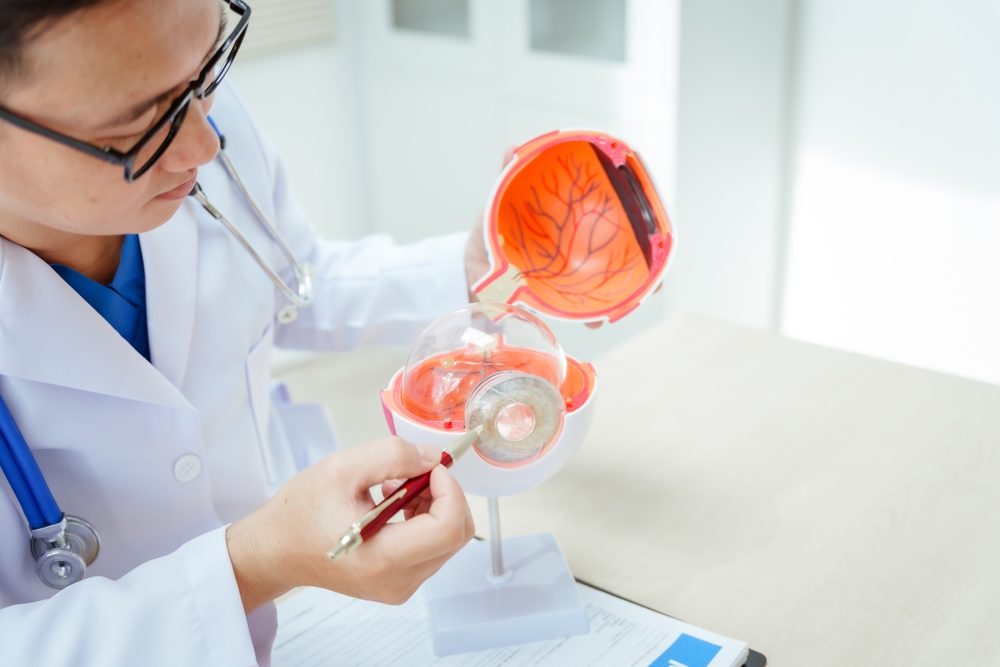
Glaucoma is one of the leading causes of vision loss, and it often develops slowly without noticeable symptoms in the early stages. Because vision changes may not appear until the condition has progressed, understanding your personal risk is an important part of protecting your long-term eye health.
At Raleigh Eye Center, we use comprehensive eye exams to evaluate eye pressure, optic nerve health, and other key signs that may point to glaucoma.
Age Is One Of The Most Common Risk Factors
Your risk of developing glaucoma increases with age, especially after 40. As the eye changes over time, the optic nerve may become more vulnerable to damage. While glaucoma can affect younger adults, regular eye exams become even more important as you get older.
For many patients, routine monitoring allows us to detect subtle changes before vision is affected.
Family History Can Increase Your Risk
If a parent, sibling, or close relative has glaucoma, your own risk may be higher. Genetics can play a significant role in how the optic nerve responds to pressure inside the eye.
Even if your vision feels normal, a family history of glaucoma is a good reason to schedule regular medical eye exams. Early detection gives us more opportunity to monitor changes and recommend treatment when needed.
High Eye Pressure And Optic Nerve Health
High eye pressure is one of the best-known glaucoma risk factors, but it is not the only one. Some people with elevated eye pressure never develop glaucoma, while others may develop glaucoma even with pressure in a normal range.
During an exam, we look at several factors, including:
- Eye pressure measurements
- Optic nerve appearance
- Peripheral vision changes
- Corneal thickness
- Overall eye health and medical history
This broader approach helps us understand your actual risk more clearly.
Medical Conditions That May Play A Role
Certain health conditions can increase the likelihood of glaucoma or make regular eye monitoring more important. Diabetes, high blood pressure, poor circulation, and past eye injuries may all affect eye health.
Some patients may also be at higher risk due to long-term steroid use, previous eye surgery, or severe nearsightedness. Sharing your full health history helps us evaluate your eyes more accurately and recommend the right follow-up schedule.
Why Early Detection Is So Important
Glaucoma-related vision loss cannot usually be reversed, but early diagnosis can help slow or prevent further damage. Because the condition often affects side vision first, many people do not realize anything is wrong until the disease is more advanced.
A comprehensive eye exam allows us to check for early warning signs and create a plan based on your risk level.
When To Schedule A Glaucoma Evaluation
If you have a family history of glaucoma, are over 40, have high eye pressure, or have been told you are a glaucoma suspect, it is important to stay consistent with eye exams. You should also schedule a visit if you notice changes in vision, eye pain, halos around lights, or sudden vision loss.
To schedule a glaucoma evaluation, contact Raleigh Eye Center in Raleigh, NC by calling (919) 876-2427.


© 2026 Raleigh Eye Center. All rights Reserved. Accessibility Statement - Privacy Policy - Terms and Conditions - Sitemap
Powered by:
