

What a Comprehensive Eye Exam Can Detect That Vision Screenings Miss

What a Comprehensive Eye Exam Can Detect That Vision Screenings Miss

What a Comprehensive Eye Exam Can Detect That Vision Screenings Miss

What a Comprehensive Eye Exam Can Detect That Vision Screenings Miss

What a Comprehensive Eye Exam Can Detect That Vision Screenings Miss

What a Comprehensive Eye Exam Can Detect That Vision Screenings Miss

What a Comprehensive Eye Exam Can Detect That Vision Screenings Miss

What a Comprehensive Eye Exam Can Detect That Vision Screenings Miss

What a Comprehensive Eye Exam Can Detect That Vision Screenings Miss

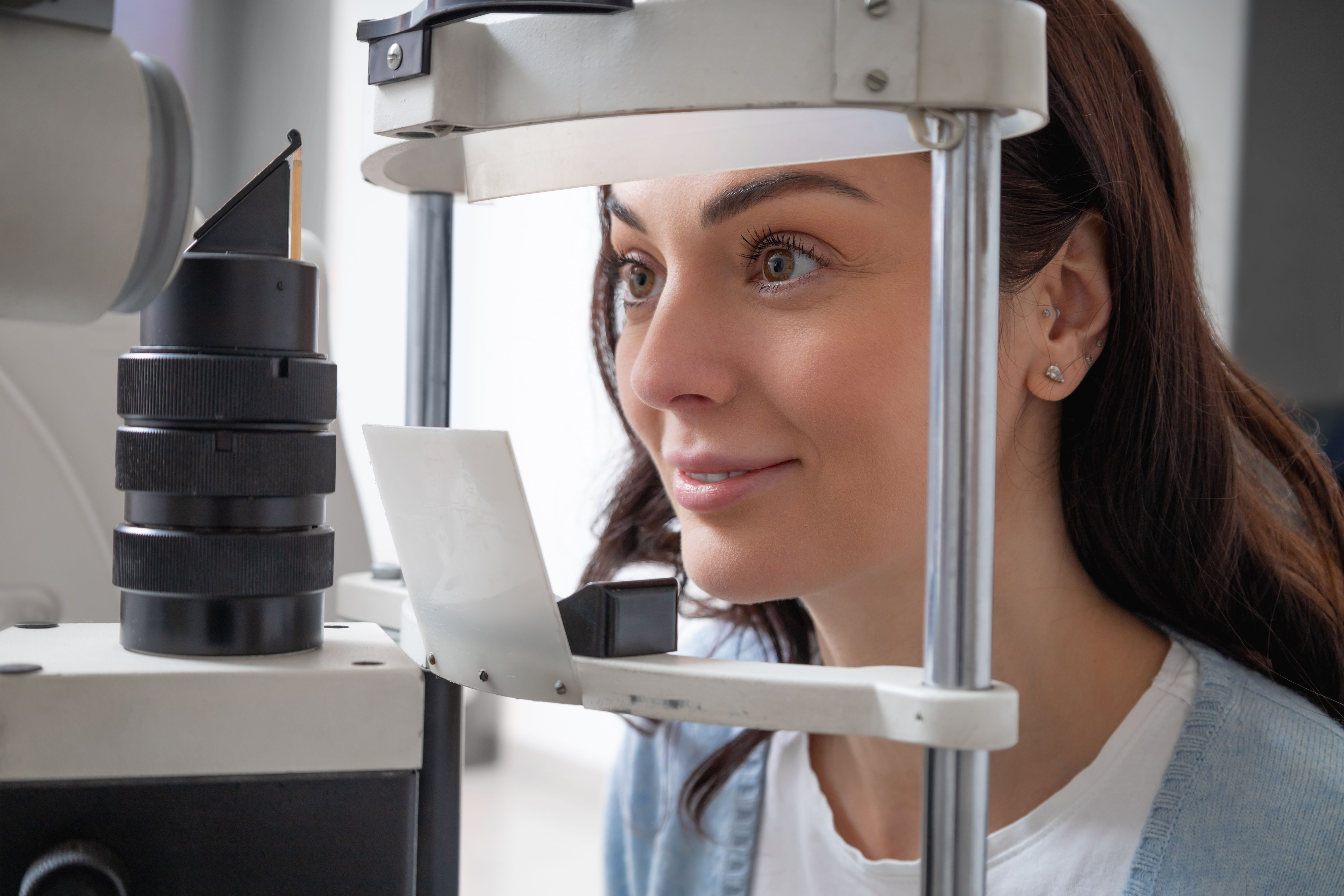
Many people assume that if they pass a vision screening, their eyes are healthy. While vision screenings are helpful for identifying obvious eyesight issues, they are limited in scope. A comprehensive eye exam goes far beyond reading letters on a chart and can uncover serious eye and health conditions that screenings often miss.
Vision Screenings vs. Comprehensive Eye Exams
Vision screenings are quick checks often performed at schools, workplaces, or community events. They typically assess whether you can see clearly at certain distances and may flag the need for glasses or contacts. However, screenings do not evaluate the overall health of your eyes or check for disease.
A comprehensive eye exam, performed by an eye doctor, includes a detailed evaluation of your vision, eye structures, and how your eyes function together. It is designed to detect early signs of eye disease and even systemic health conditions - often before symptoms appear.
Eye Diseases in Their Early Stages
Many serious eye conditions develop gradually and without noticeable symptoms in the early stages. A comprehensive eye exam can detect conditions such as glaucoma, macular degeneration, diabetic retinopathy, and cataracts long before they begin to affect vision. Early detection is critical, as timely treatment can slow progression and help preserve eyesight. Vision screenings do not include the specialized testing needed to identify these diseases.
Subtle Vision and Eye Coordination Problems
You may be able to see clearly and still have vision issues that affect daily life. Problems with eye focusing, depth perception, or eye teaming can cause headaches, eye strain, or difficulty reading and using digital devices. Comprehensive exams evaluate how well your eyes work together, something vision screenings do not assess.
Changes in Eye Health Related to Age
As we age, our eyes naturally change. A comprehensive eye exam can identify age-related vision changes and help manage conditions that become more common over time. These exams also allow your eye doctor to update prescriptions accurately and recommend preventive care based on your specific needs.
Signs of Underlying Health Conditions
The eyes can reveal important clues about your overall health. During a comprehensive eye exam, doctors may detect signs of diabetes, high blood pressure, autoimmune disorders, or even neurological conditions. Because the blood vessels and nerves in the eyes are visible during an exam, they can provide early warnings that a vision screening would never catch.
Prescription Accuracy and Eye Comfort
Vision screenings may suggest that you need glasses, but they cannot determine the most accurate or comfortable prescription. Comprehensive eye exams take into account how your eyes respond in real-world conditions, helping reduce eye strain, blurry vision, and discomfort.
Prioritize Your Eye Health at Raleigh Eye Center
Vision screenings serve a purpose, but they are not a substitute for a comprehensive eye exam. While screenings focus on whether you can see, comprehensive exams focus on how healthy your eyes truly are. Regular, thorough eye exams are essential for early detection, prevention, and long-term eye health - often protecting not just your vision, but your overall well-being.
Schedule your comprehensive eye exam at Raleigh Eye Center and take a proactive step toward protecting your vision and your health. Contact our office in Raleigh, Durham, Reidsville, Henderson, North Carolina, or South Hill, Virginia. Call (919) 899-2472, (919) 876-2427 or (252) 492-8021 to book an appointment today.


© 2026 Raleigh Eye Center. All rights Reserved. Accessibility Statement - Privacy Policy - Terms and Conditions - Sitemap
Powered by:
