

Glaucoma Follow-Ups: Why Stable Vision Still Needs Testing

Glaucoma Follow-Ups: Why Stable Vision Still Needs Testing

Glaucoma Follow-Ups: Why Stable Vision Still Needs Testing

Glaucoma Follow-Ups: Why Stable Vision Still Needs Testing

Glaucoma Follow-Ups: Why Stable Vision Still Needs Testing

Glaucoma Follow-Ups: Why Stable Vision Still Needs Testing

Glaucoma Follow-Ups: Why Stable Vision Still Needs Testing

Glaucoma Follow-Ups: Why Stable Vision Still Needs Testing

Glaucoma Follow-Ups: Why Stable Vision Still Needs Testing

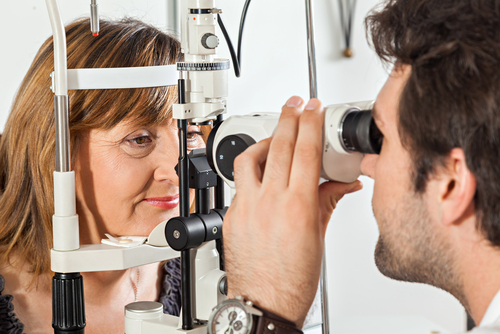
When your vision feels unchanged, it can be tempting to postpone a glaucoma follow-up. However, clear eyesight does not always mean the condition is stable. Glaucoma can damage the optic nerve gradually, often without noticeable symptoms. At Raleigh Eye Center, we use glaucoma testing to look beyond what you see each day and monitor changes that could affect your long-term vision.
Why Changes Can Be Easy To Miss
The most common form of glaucoma often affects peripheral vision before you notice difficulty seeing straight ahead. You may still read comfortably or recognize faces while damage develops elsewhere in your field of vision.
Because vision loss from glaucoma is irreversible, we focus on identifying changes early and managing the condition before more damage occurs. Feeling comfortable and seeing clearly are encouraging, but neither replaces scheduled testing.
What Glaucoma Follow-Ups Measure
Our glaucoma evaluations in Raleigh assess several aspects of eye health. Depending on your needs and testing schedule, your visit may include:
Eye pressure measurements: We assess whether your pressure is appropriate for your individual treatment goals.
Visual field testing: This measures how well you see across your field of vision and helps identify areas of reduced sensitivity.
Optic nerve imaging: Scans document the nerve’s structure so we can compare findings over time.
Optic nerve examination: We evaluate its appearance and look for signs of damage, with dilation when indicated.
These assessments provide different pieces of information. Together, they help us understand whether your glaucoma is remaining stable or needs closer attention.
Why One Good Pressure Reading Is Not Enough
Lowering eye pressure is a central part of glaucoma treatment, but pressure alone does not tell the whole story. Some people develop glaucoma even when their pressure falls within the usual range.
We interpret pressure readings alongside optic nerve findings and visual field results. A reassuring measurement is useful, but ongoing testing helps us determine whether your treatment is adequately protecting your vision.
Repeated Tests Help Reveal Trends
Comparing results across several visits helps us distinguish a consistent change from normal testing variability. An unexpected result may need to be repeated before we can interpret it confidently.
Your follow-up schedule depends on factors such as disease severity, pressure control, and previous test results. We may recommend closer monitoring after a treatment change or when findings suggest possible progression. Keeping your appointments gives us the information needed to adjust care thoughtfully.
Make Each Follow-Up Count
Bring an updated medication list and tell us about missed doses, irritation, or difficulty using your eye drops. Continue prescribed treatment unless we advise a change, even when your vision feels stable.
Sudden severe eye pain, redness, blurred vision, or nausea requires immediate evaluation. Do not wait for your next scheduled glaucoma appointment if these symptoms develop.
Keep your glaucoma care on track. Contact Raleigh Eye Center in Raleigh, NC, at (919) 876-2427 to schedule your follow-up and give your vision the ongoing attention it deserves.


© 2026 Raleigh Eye Center. All rights Reserved. Accessibility Statement - Privacy Policy - Terms and Conditions - Sitemap
Powered by:
