

Ptosis vs. Excess Eyelid Skin: What's Causing Your Drooping Eyelids?

Ptosis vs. Excess Eyelid Skin: What's Causing Your Drooping Eyelids?

Ptosis vs. Excess Eyelid Skin: What's Causing Your Drooping Eyelids?

Ptosis vs. Excess Eyelid Skin: What's Causing Your Drooping Eyelids?

Ptosis vs. Excess Eyelid Skin: What's Causing Your Drooping Eyelids?

Ptosis vs. Excess Eyelid Skin: What's Causing Your Drooping Eyelids?

Ptosis vs. Excess Eyelid Skin: What's Causing Your Drooping Eyelids?

Ptosis vs. Excess Eyelid Skin: What's Causing Your Drooping Eyelids?

Ptosis vs. Excess Eyelid Skin: What's Causing Your Drooping Eyelids?

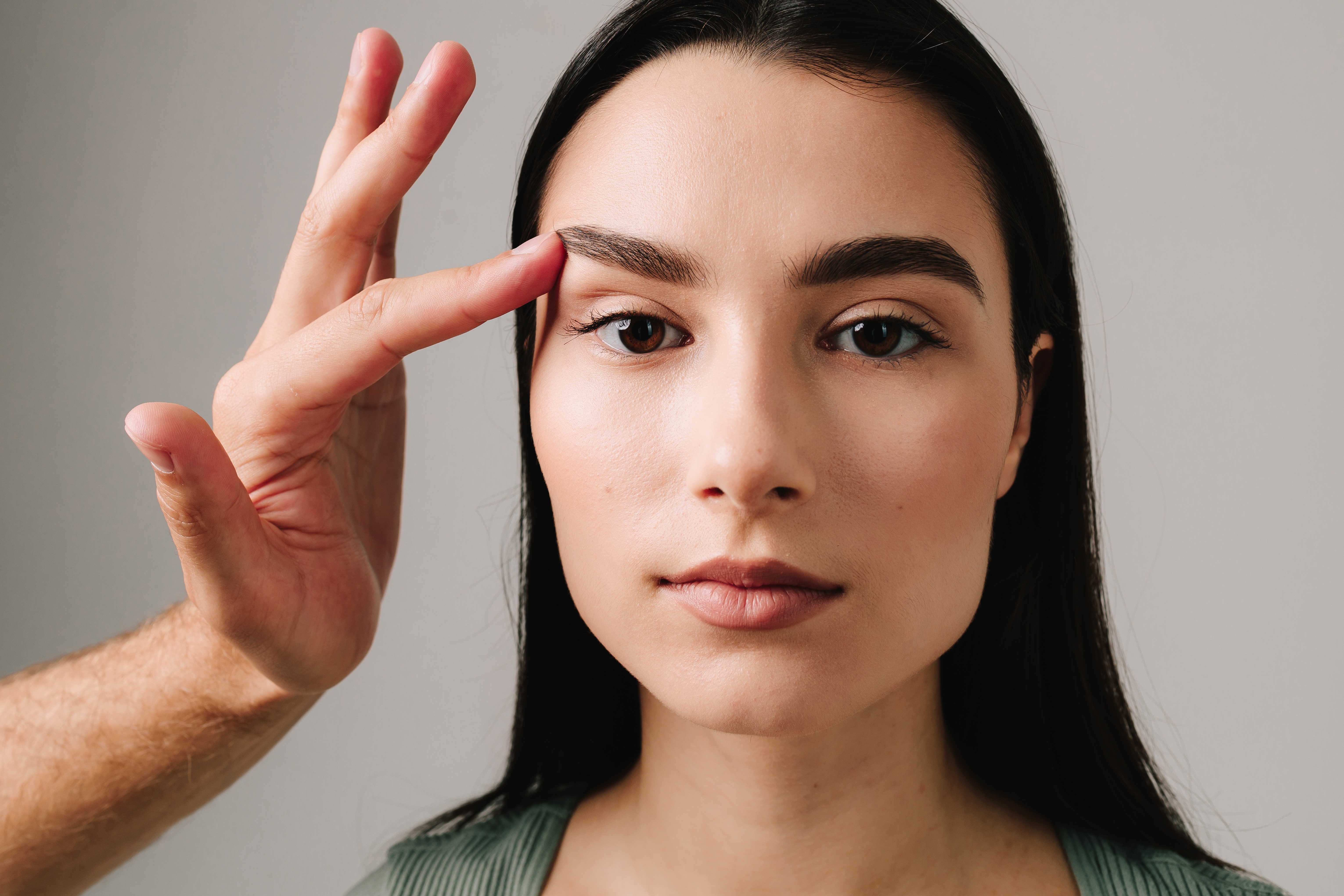
Drooping eyelids can make your eyes appear tired, but they may also interfere with your vision and everyday activities. Two common causes are ptosis and excess eyelid skin. Although these conditions can look similar, they affect different parts of the eyelid and may require different treatments. At Raleigh Eye Center, we help patients understand the cause of their drooping eyelids and explore appropriate treatment options.
What Is Ptosis?
Ptosis occurs when the upper eyelid sits lower than its normal position, sometimes covering part of the pupil. It often develops when the muscle responsible for lifting the eyelid, or its supporting tendon, becomes weakened or stretched.
Ptosis may affect one or both eyes and can develop gradually with age. Some people are born with the condition, while others develop it following eye surgery, injury, or certain medical conditions.
When ptosis becomes significant, patients may find themselves raising their eyebrows or tilting their heads backward to see more clearly.
How Is Excess Eyelid Skin Different?
Excess eyelid skin, medically called dermatochalasis, develops when the skin around the upper eyelids loses elasticity and begins to sag. Unlike ptosis, which involves the position of the eyelid itself, dermatochalasis primarily affects the loose skin surrounding it.
This extra skin can create a hooded appearance, sometimes extending over the eyelashes and obstructing peripheral vision.
Both conditions can occur together, making it difficult to determine the underlying cause without a professional evaluation.
Common Signs of Drooping Eyelids
Although ptosis and excess eyelid skin share symptoms, certain changes may suggest that your eyelids need attention.
Common signs include:
· Upper eyelids that appear unusually low or uneven
· Loose skin hanging over the natural eyelid crease
· Difficulty seeing objects above or to the sides
· Frequent eyebrow raising to improve visibility
· Forehead fatigue from repeatedly lifting the eyebrows
· Trouble reading or performing activities requiring a clear field of vision
Gradual changes are common, but sudden eyelid drooping requires urgent medical evaluation, especially when accompanied by double vision, unequal pupils, severe headache, or weakness.
How We Evaluate Drooping Eyelids
At Raleigh Eye Center, a thorough eyelid evaluation helps determine whether ptosis, excess skin, or both are contributing to your symptoms.
We assess the position of your upper eyelids, the function of the muscles responsible for lifting them, and the amount of excess skin present. We may also evaluate eyebrow position because sagging brows can contribute to the appearance of drooping eyelids.
When drooping eyelids interfere with vision, visual field testing may help document how much of your sight is affected.
Treatment Options for Ptosis and Excess Eyelid Skin
Treatment depends on the underlying cause and severity of your condition. For ptosis, eyelid repair surgery may be recommended to adjust the structures responsible for lifting the upper eyelid. For excess eyelid skin, blepharoplasty may be used to remove redundant tissue and improve the eyelid's position relative to your field of vision.
Patients with both conditions may benefit from a combined surgical approach. Our goal is to help determine which treatment is appropriate based on your eyelid anatomy, symptoms, and visual needs.
If drooping eyelids are affecting your comfort or vision, contact Raleigh Eye Center at (919) 876-2427 to schedule a consultation in Reidsville, NC.


© 2026 Raleigh Eye Center. All rights Reserved. Accessibility Statement - Privacy Policy - Terms and Conditions - Sitemap
Powered by:
